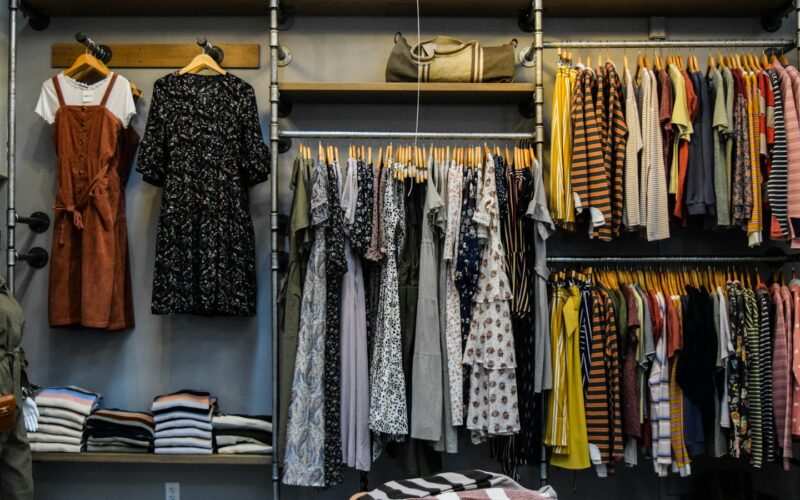
Small closets are a fact of life in many apartments, condos and older homes. When space is tight, even a modest wardrobe can feel like it’s bursting at the seams. Clothes get crushed, shoes pile up on the floor and you can never quite find the sweater you’re looking for.
The good news is that a small closet can work beautifully with the right setup. It’s less about how much space you have and more about how you use it. These 12 ideas help you make room fast, often with things you already own or simple, inexpensive additions.
First, edit before you organize
The fastest way to make a small closet feel bigger is to put less in it. Before buying organizers, take out anything that doesn’t fit, isn’t in season or hasn’t been worn in a year. Organizing clutter just gives you neater clutter. A quick edit often frees up more space than any storage product could.
Once you’ve decided what stays, try these ideas.
Make the most of your hanging space
1. Switch to slim, matching hangers
Bulky plastic and wooden hangers take up a surprising amount of rod space. Slim velvet or thin non-slip hangers can noticeably increase how much you can hang, and matching hangers make the closet look calmer and more organized at a glance.
2. Add a second hanging rod
Most closets have a single rod with empty space below the shorter items. A hanging closet rod extender hooks onto your existing rod and creates a second level for shirts, folded pants or skirts. It’s one of the quickest ways to double your hanging capacity without any tools.
3. Hang by length
Arrange clothes from longest to shortest. Grouping long dresses and coats at one end leaves open space under the shorter pieces at the other, which is perfect for a small shelf unit, a laundry basket or shoe storage.
4. Use cascading hooks for outfits
Cascading hanger hooks let you hang several hangers vertically from one spot. They’re great for keeping full outfits together or storing items you wear as a set, like a suit or matching pieces.
Use vertical space
5. Add a shelf above the rod
The space between the top of your hanging rod and the ceiling is often wasted. A simple shelf, or a second shelf if one already exists, is ideal for bags, out-of-season items or bins of accessories. Use clear or labeled bins so you know what’s up there without pulling everything down.
6. Put the back of the door to work
An over-the-door organizer can hold shoes, belts, scarves, hats or small bags. Hooks on the door are perfect for tomorrow’s outfit, a robe or the jacket you wear every day. If your closet has sliding doors, a slim wall-mounted hook rack beside the closet can do the same job.
7. Install hooks on the side walls
The narrow side walls inside a closet are prime real estate. A few adhesive or screw-in hooks can hold bags, belts, necklaces or scarves that would otherwise tangle in a drawer.
Solve the floor and shelf chaos
8. Stack your shoes
Shoes piled on the floor take up a lot of space and get damaged. A tiered shoe rack, stackable shoe boxes or a narrow shoe cabinet keeps pairs visible and off the floor. Store the shoes you wear most at the front and special-occasion pairs higher up or in boxes.
9. Fold knits and use shelf dividers
Sweaters can stretch out on hangers and take up rod space, so fold them instead. Shelf dividers keep folded stacks neat and stop them from toppling into each other. Keep stacks to a manageable height so you can pull out the bottom sweater without a landslide.
10. File-fold your drawers
File folding means folding items into small rectangles and standing them upright in a drawer, like files in a cabinet. It works especially well for tees, leggings and pajamas. You can see everything at once, and drawers usually hold more.
Store smarter, not harder
11. Rotate your wardrobe by season
If your closet is truly tiny, don’t try to keep every season’s clothes in it at once. Store off-season pieces in vacuum bags or bins under the bed, in a storage ottoman or on a high shelf. Twice a year, swap them over. Your closet holds only what you’ll actually wear right now, which makes everyday dressing faster too.
12. Know what you own without seeing it all
The downside of storing clothes elsewhere is forgetting you own them. A digital wardrobe solves this. When you photograph your clothes and add them to Closet Love, you can see your entire wardrobe on your phone, including the pieces packed away under the bed. You can plan outfits with off-season items, check what you already have before shopping and keep a small closet without losing track of anything.
Small closet organization mistakes to avoid
- Buying organizers first. Measure your space and edit your clothes before you shop for storage.
- Overstuffing the rod. If you have to force hangers apart to grab something, there’s too much in there.
- Ignoring lighting. A dark closet makes it hard to find things. A battery-powered, motion-activated light strip is inexpensive and makes a big difference.
- Using deep bins for small items. Small things disappear in big containers. Use shallow trays and dividers instead.
A simple small-closet layout
If you’re starting from scratch, this layout works for most reach-in closets:
| Zone | What goes there |
|---|---|
| Top shelf | Labeled bins for off-season items, bags and rarely used accessories |
| Upper rod | Shirts, blouses, jackets and blazers |
| Lower rod (extender) | Pants, skirts and shorter items |
| Long-hang end | Dresses and coats, with space beneath for a laundry basket |
| Floor | Tiered shoe rack or stackable shoe boxes |
| Door and side walls | Hooks and over-the-door organizers for accessories |
Frequently asked questions
How can I get more space in a small closet without renovating?
Use slim hangers, add a closet rod extender, use the back of the door and store off-season clothes elsewhere. These changes don’t require tools or permanent changes, which makes them ideal for renters.
Should I hang or fold my clothes in a small closet?
Hang items that wrinkle easily, like shirts, blouses, dresses and tailored pants. Fold knits, tees and casual items to save rod space.
How often should I reorganize my closet?
A quick tidy every few weeks and a fuller reset when the seasons change keeps a small closet working well.
Small space, big difference
A small closet asks you to be a little more intentional, and that’s not a bad thing. Edit first, use every bit of vertical space, rotate your seasons and keep track of everything you own. You’ll end up with a closet that’s easier to use than many big ones.