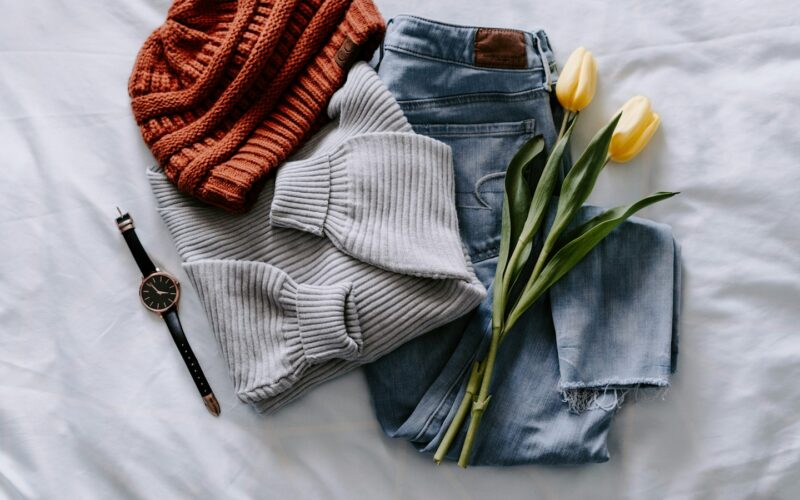
When winter arrives in much of Canada and the northern US, getting dressed becomes a practical challenge. Wind, snow, slush and freezing temperatures mean your clothes have to work hard, and a single heavy coat over whatever you happen to be wearing isn’t always enough.
The good news is that staying warm doesn’t mean giving up on style. With a handful of well-chosen essentials and a smart approach to layering, you can stay comfortable on the coldest commute and still look put together when you arrive. Here’s what to have in your winter wardrobe, and how to wear it.
Start with the right layering system
The secret to dressing for real cold is layering. Several thinner layers trap warm air between them and let you adjust as you move from icy sidewalks to warm offices and stores. Think in three parts:
- Base layer: sits against your skin and helps keep you dry. Merino wool and many synthetic thermal fabrics work well because they handle moisture better than cotton.
- Mid layer: provides insulation. Sweaters, fleece, cardigans and quilted vests are all good options.
- Outer layer: protects you from wind, snow and rain. This is your winter coat or parka.
Cotton is comfortable, but once it gets damp from sweat or snow it stays cold. On very cold days, keep cotton as an outer style layer, like a shirt over a thermal, rather than the piece closest to your skin.
The winter wardrobe essentials
1. A warm, wind-resistant winter coat
Your coat does most of the work, so it’s worth choosing carefully. For very cold climates, look for an insulated parka that covers your hips or thighs, with a hood and cuffs that close snugly. Down offers a lot of warmth for its weight, while synthetic insulation keeps insulating better when damp. For milder winter days or city wear, a long wool or wool-blend coat layered over a warm sweater looks polished and works well.
Whatever you choose, check the details: a two-way zipper, storm flap over the zip, deep pockets and enough room to fit a sweater underneath without feeling tight.
2. Thermal base layers
Thin thermal tops and leggings are the unsung heroes of winter dressing. They slip invisibly under work clothes, jeans and dresses, so you can wear your regular outfits on cold days. Look for fitted pieces that sit close to the body without bunching.
3. Chunky and fine-knit sweaters
Have a mix of weights. Fine knits in merino or cashmere blends layer neatly under blazers and coats, while chunky knits are perfect for weekends and very cold days. Neutral colors like cream, camel, gray and navy pair with almost everything.
4. Insulated, waterproof boots
Cold, wet feet can ruin a winter day. A good pair of insulated, waterproof boots with deep treads for traction is essential for snowy and icy sidewalks. For everyday style, keep a pair of leather ankle boots or Chelsea boots for dry days and indoor wear, and consider carrying them in a tote if your commute involves slush.
5. Warm accessories
Accessories make a bigger difference to your comfort than most people expect:
- A warm hat or toque that covers your ears
- A long scarf you can wrap more than once, or a snood that stays in place
- Insulated gloves or mittens; mittens are usually warmer, while touchscreen-friendly gloves are handy for quick phone use
- Wool socks, which keep feet warm even if they get a little damp
Accessories are also the easiest way to add personality to a winter wardrobe. A bright toque or a patterned scarf brightens up a dark coat.
6. Lined or warm trousers
Thin trousers can feel like you’re wearing nothing at all in a cold wind. Fleece-lined leggings, lined jeans, wool trousers or corduroy add real warmth. Or simply wear thermal leggings under your favorite pants.
7. A versatile mid-layer jacket
A quilted vest, a lightweight down jacket or a fleece is useful in two ways: as a mid layer under your heavy coat on the coldest days, and as an outer layer on milder days in early and late winter.
How to stay stylish when it’s freezing
Winter outfits can start to feel repetitive when you’re bundled up every day. A few ideas keep things interesting:
- Play with texture. Combine knit, wool, leather and corduroy for depth, even in a neutral outfit.
- Try tonal dressing. Shades of one color, like cream and camel or gray and charcoal, look elegant with a long coat.
- Belt your coat or cardigan to give shape to bulky layers.
- Let your coat be the statement. If you wear the same coat every day, everything underneath can stay simple.
- Switch up accessories to change the look of the same outfit through the week.
Outfit formulas for cold days
| Occasion | Outfit formula |
|---|---|
| Office | Thermal top, fine-knit sweater, wool trousers, long wool coat, leather ankle boots (change from snow boots) |
| Weekend errands | Thermal leggings under jeans, chunky sweater, parka, winter boots, toque and mittens |
| Dinner out | Knit dress with fleece-lined tights, knee-high boots, long coat, statement scarf |
| Outdoor activities | Base layer top and leggings, fleece, insulated jacket, waterproof pants, warm boots, hat and gloves |
Plan around the forecast
Winter weather can change quickly, and wind chill can make a day feel far colder than the temperature suggests. Check your local forecast and any weather warnings the night before, then plan your layers to match. Laying out your outfit in the evening, coat and accessories included, also saves time on dark winter mornings.
If you keep your wardrobe in Closet Love, you can put together a few go-to winter looks and save them for the week ahead, so you’re not hunting for gloves at the door.
Caring for winter clothes
- Brush off snow and salt from boots and coat hems when you get home. Road salt can stain leather and fabric.
- Dry boots at room temperature, away from direct heat, which can crack leather.
- Air out wool between wears; it often doesn’t need washing as frequently as other fabrics.
- Follow care labels for down coats, which may need specific washing and drying.
Frequently asked questions
What is the warmest way to layer for winter?
Use a moisture-handling base layer like merino or a synthetic thermal, an insulating mid layer like a sweater or fleece, and a wind- and water-resistant outer coat. Add a hat, scarf, gloves and warm socks.
Is a down or synthetic coat better for winter?
Down is very warm for its weight and packs down small. Synthetic insulation keeps more of its warmth when damp and is often easier to care for. In wet climates, a water-resistant shell over either helps.
How can I wear dresses and skirts in winter?
Layer fleece-lined or wool tights underneath, add knee-high boots and a long coat that covers your hem, and choose knit or wool dresses for extra warmth.
Warm, comfortable and still you
A great winter wardrobe isn’t about owning the most gear. It’s about a few essentials that work together: a reliable coat, smart base layers, warm boots and accessories you love. Build around those, plan for the forecast and you’ll get through the coldest months comfortably and in style.